19 November 2026 · 3 min read
Investment Scam Red Flags: Why 20% a Month Should Make You Stop
20% a month compounded for a year is about 8.9× your money. The maths behind too-good-to-be-true returns, four red flags, and how to check a licence with the CMA (Kenya) or CMSA (Tanzania).
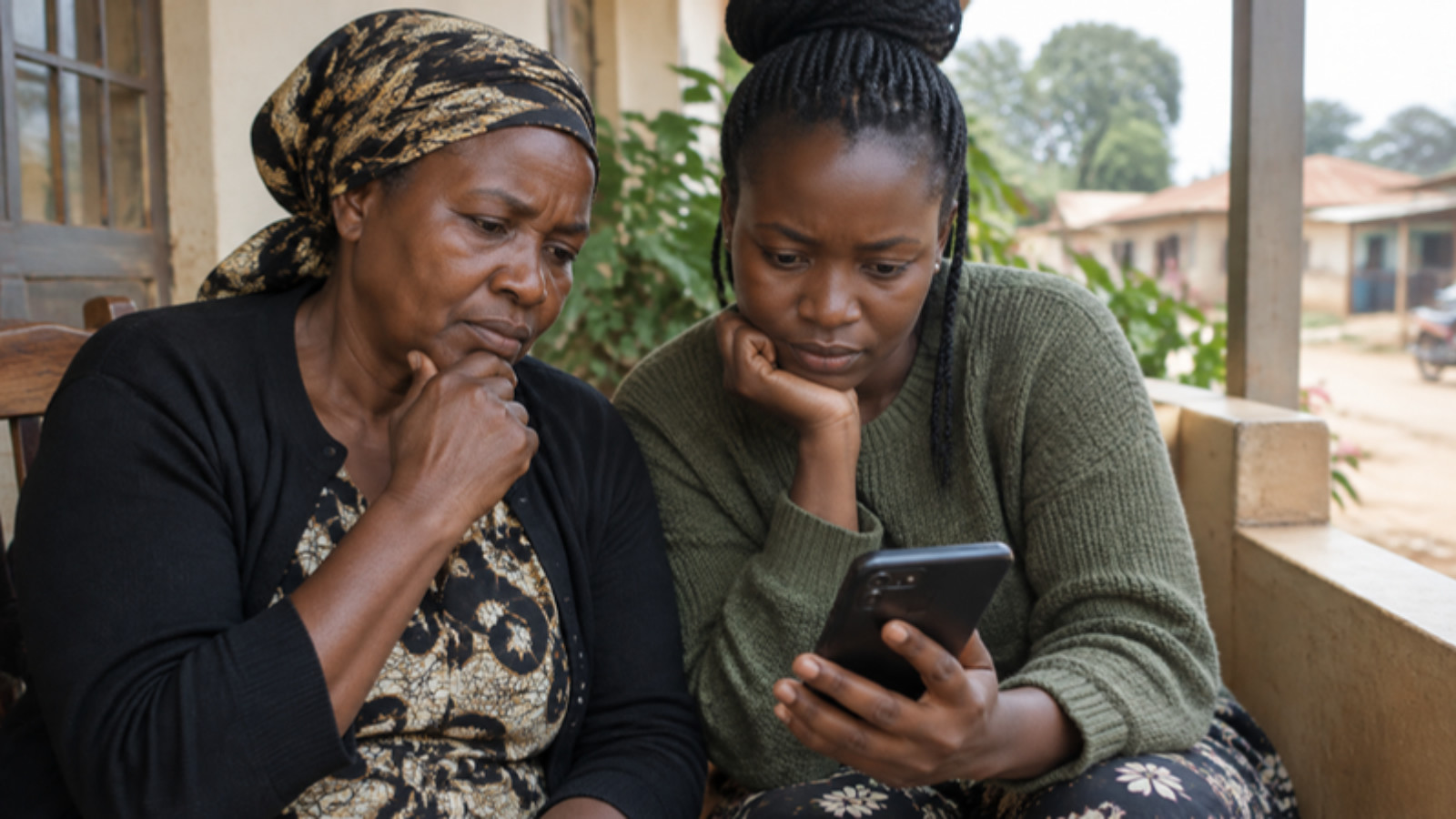
20% a month sounds good, until you realise it means about 8.9× your money in a year.
Investment fraud in East Africa rarely looks like fraud at first. It usually arrives through people we trust: a church group, a chama, a family WhatsApp group. Someone shares a screenshot of a payout. A few early members confirm they were paid. And social proof does the selling.
An illustrative example many families will recognise: a WhatsApp group in Thika is invited into a "forex club" promising 20% a month. Early members are paid. More people join, some with their chama savings. Then the payments stop, and the admin leaves the group.
The maths that should stop you
One calculation is among the best defences you have.
If an investment really paid 20% a month and you reinvested it, after 12 months you would have 1.2 multiplied by itself 12 times. That is about 8.9 times your original money.
- KES 10,000 would become about KES 89,000 in a single year.
No legitimate, regulated investment promises anything close to that. When returns sound impossible, they usually are. Early payouts in these schemes are often paid from new members' money, which is why they collapse when new money slows down.
Four red flags
Watch for any of these, and be especially careful when you see more than one:
- Guaranteed high returns. Real investments carry risk, and their returns go up and down. Anyone guaranteeing high returns should be questioned. - Pressure to join fast. "The offer closes tonight" is designed to stop you thinking. - Bonuses for recruiting others. If you earn more by bringing in friends and family than from the investment itself, the "investment" may be the recruitment. - No licence, or a licence nobody can show you. A real firm can tell you exactly which regulator licenses it.
Why smart people still fall for it
- Trust in the messenger. When a relative or a respected group member recommends something, we check less. - Early success stories. Seeing someone get paid feels like proof, even when it is not. - Fear of missing out. Watching others "win" makes waiting feel like losing. - Not doing the maths. A monthly percentage sounds small. Compounded over a year, it is enormous.
What to check before you send money
Before any money moves, run through these checks:
- Kenya: check the Capital Markets Authority's list of licensed and approved entities. - Tanzania: check the Capital Markets and Securities Authority (CMSA) list of licensees. - Ask who actually holds your money, in whose name it is held, and how you can withdraw it. - Ask for the offer in writing, and read it before you commit. - If you cannot get clear answers, walk away. A genuine opportunity will survive you taking a day to check.
What to do next
Share this checklist with one person in your family WhatsApp group. Scams spread through trusted networks, and so can protection.
Have you ever been offered something that sounded too good to be true?
Educational content, not personal financial advice. Figures are illustrative. Speak to a licensed adviser about your own situation.