8 November 2026 · 4 min read
A Six-Figure Salary Is Not a Safety Net: Prioritising Emergency Savings
A Kenyan professional’s experience of debt, job loss and forced asset sales shows why emergency savings must come first—and what to assess when considering a money market fund.
A Good Income Was Not Financial Security
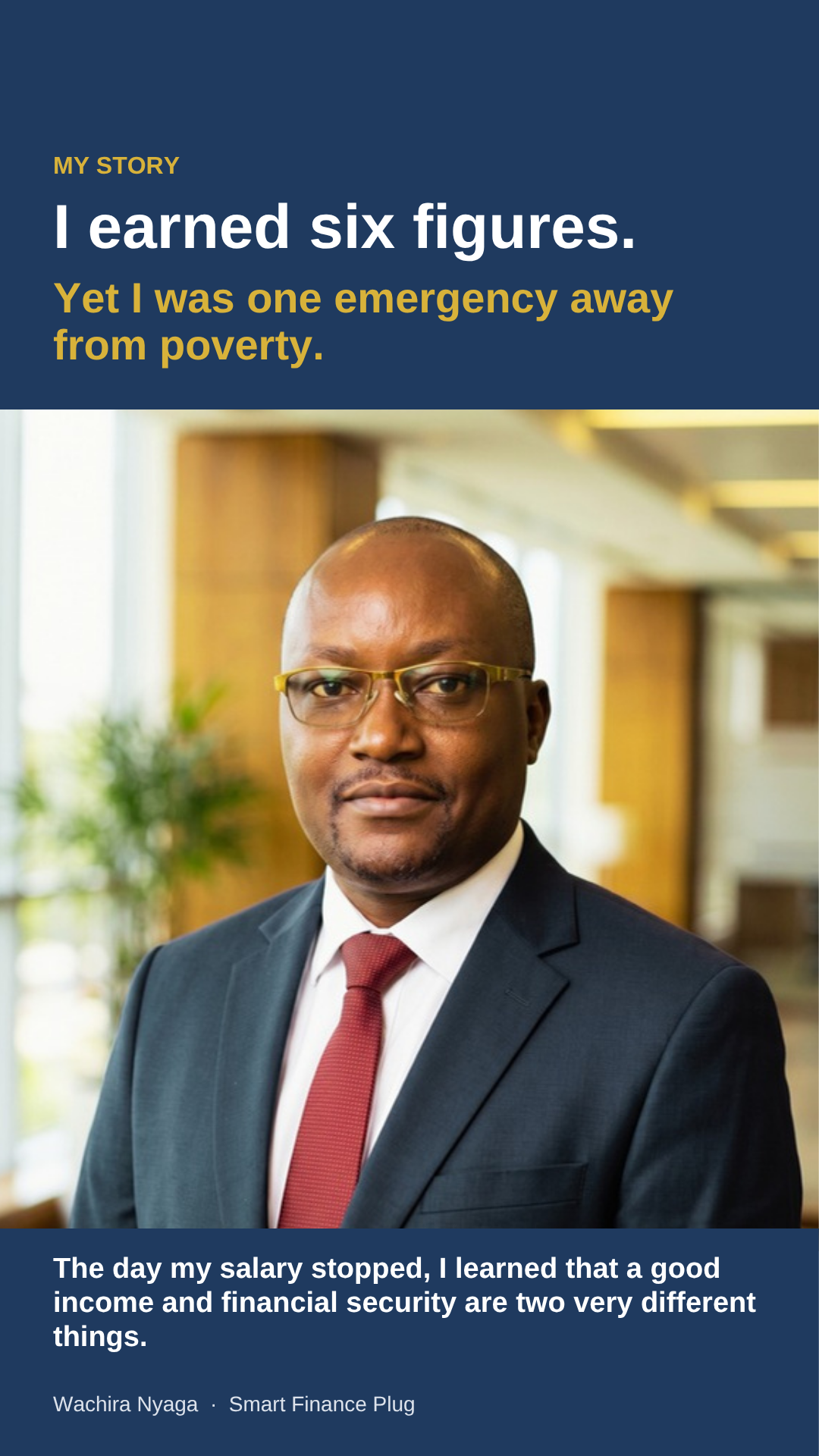
I earned a six-figure salary in Kenyan shillings, yet I was one emergency away from poverty. The day my salary stopped, I discovered that a good income and financial security are two very different things.
For years, I worked in the corporate world. From the outside, life looked comfortable: I had a car, plots at Juja Farm and education policies for my children. I thought I was doing well, but I was earning money without building financial security.
Borrowing Had Become My Emergency Fund
Whenever an emergency arose, I borrowed—from mobile lenders, through short-term bank loans or from friends. Eventually, I was carrying an overdraft of about KSh 40,000 almost every month.
My salary would arrive, I would clear the overdraft, and then I would borrow again to reach the next payday. The cycle was predictable: salary in, loans out, borrowing again.
One day, I decided that enough was enough. I reduced my borrowing month by month until the loans were cleared. I felt relieved and believed I had escaped the debt trap, but life had another lesson waiting.
Debt-Free, but Still Financially Exposed
My corporate job came to an end, and the salary supporting my lifestyle disappeared. I had no loans, but very little savings to fall back on. Clearing debt had not resolved the absence of a financial safety net.
To survive, I began selling what I had worked so hard to acquire: first the plots at Juja Farm, then the car. The hardest decision was giving up my children’s education policies. My daughter’s policy was intended to run for 13 years; I let it go after paying for 11 years, and my son’s after five.
I had worked hard, earned well, bought assets and planned for my children’s education. Yet when my income stopped, I had to dismantle those plans just to survive. Life hit me hard, but I thank God that my children never went hungry and never missed school.
Build the Safety Net Before Depending on Assets
Looking back, I did not need a bigger salary; I needed a financial plan. I needed an emergency fund and a way to stop turning to borrowed money whenever life happened. I was trying to build wealth without first building a safety net.
The distinction matters: assets and long-term plans did not give me the savings I needed when my salary stopped. In my case, the absence of an emergency fund meant sacrificing both.
Considering an MMF for Emergency Savings
If you are considering a money market fund (MMF) as a home for emergency savings, start with the purpose of that money: a safety net you can draw on when income stops or an unexpected expense arises. The priority should be protecting those savings and understanding how readily you can access them, rather than simply pursuing returns.
Before choosing an MMF, verify its regulatory status, investment risks, fees and withdrawal terms, including how long access to your money takes. Do not assume that the MMF label alone establishes safety or immediate availability. Assess whether the specific fund meets the needs of your emergency reserve.
Start With Spending, Debt and a Dedicated Reserve
Today, I see many young professionals living the story I once lived: good salaries, nice cars, family responsibilities and the appearance of comfort. Yet one emergency could throw everything into chaos. You do not have to lose your job, sell your assets or abandon your children’s plans before taking your finances seriously.
The first step out of a financial hole is to stop digging. Start by understanding where your money goes, cutting expensive debt and building an emergency fund, one step at a time. Your salary matters, but what you do with it matters more.
Begin With an Honest Financial Conversation
I share this not because my financial life has been perfect, but because I learned these lessons the hard way. I would rather you learn from my experience than repeat it.
If you are tired of the financial rat race, send me a message with the words “RAT RACE”. Let us have an honest conversation about your finances and where to start. Sometimes, the journey to financial freedom begins with one courageous decision: enough is enough. Wachira Nyaga